Retaining Wall Permits in Cleveland: The Short Answer
If you are planning a retaining wall on your property in Cleveland, the first question is usually about permits. The short answer is that it depends on the height of the wall. Most residential retaining walls that are 4 feet tall or less (measured from the bottom of the footing to the top of the wall) do not require a building permit in Ohio. However, walls taller than 4 feet, or walls that are part of a larger structure or located in certain sensitive areas, typically do require a permit and possibly engineered plans.
It is important to understand that local rules can vary. The City of Cleveland and surrounding suburbs like Lakewood and Parma may have their own zoning or building department requirements. Before you dig, it is always wise to call your local building department to confirm whether your specific project needs a permit. This step can save you from costly fines or having to remove a wall later.
Why the 4-Foot Rule Matters for Your Project
The 4-foot retaining wall permit threshold is a common standard in Ohio and many other states. The reasoning is simple: walls under 4 feet are generally considered low-risk and less likely to cause significant damage if they fail. Once a wall exceeds 4 feet, the pressure from the soil behind it increases dramatically, and the consequences of a collapse become much more serious. That is why most building departments require a permit and often a stamped engineering drawing for taller walls.
Keep in mind that the height is measured from the bottom of the footing, not just the exposed face of the wall. So even if the visible part of your wall is 3 feet tall, the buried portion counts toward the total height. If you are unsure how your wall will be measured, a professional can help you determine the actual height and whether a permit is needed. For walls that are close to the 4-foot limit, it is often safer to pull a permit anyway to avoid any issues with future home sales or inspections.
Retaining Wall Height Limits and Local Zoning
Beyond the permit threshold, there are also retaining wall height limits that may be set by local zoning codes. In many Cleveland-area municipalities, a retaining wall cannot exceed a certain height (often 6 feet) without special approval. These limits are in place to protect neighboring properties from drainage issues, loss of light, or structural damage. If your proposed wall exceeds the local height limit, you may need a variance, which involves an application and possibly a public hearing.
Additionally, walls that are located near property lines may have setback requirements. For example, a wall might need to be set back a certain distance from the property line to allow for maintenance and to prevent soil pressure from affecting a neighbor's foundation. Always check with your local zoning department before finalizing your design. A reputable contractor can guide you through these regulations and help you avoid surprises during the permitting process.
When to Call a Professional for Retaining Wall Installation Near Me
Even if your wall does not require a permit, proper design and construction are critical for long-term performance. A retaining wall that is poorly built can fail, leading to expensive repairs and potential liability. This is where professional Retaining Wall Installation comes in. A qualified contractor will assess your soil conditions, drainage, and load requirements to ensure your wall is built to last. They will also know the local permit rules and can handle the paperwork if a permit is needed.
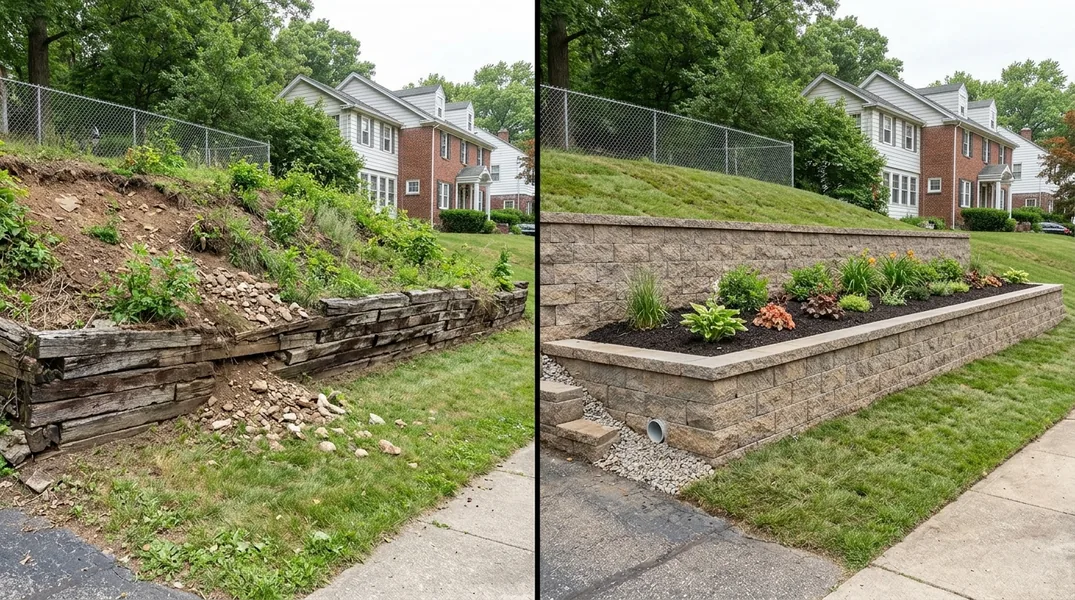
If you already have a wall that is showing signs of failure, such as leaning, cracking, or bulging, you may need Retaining Wall Repair or even Retaining Wall Replacement. Ignoring these issues can lead to a sudden collapse, which is dangerous and costly. For homeowners in Cleveland Heights and across the region, calling a professional early can save you time and money. If you are considering Concrete Retaining Walls, a pro can advise on whether concrete or another material is best for your site.
Retaining Wall Installation Cost in Cleveland: What to Budget
Homeowners often ask about the cost of a retaining wall before they even think about permits. The truth is that the permit itself is usually a small fraction of the overall project cost. The total price depends on the wall's height, length, material, and site conditions. For a typical residential wall in Cleveland, you might expect to pay anywhere from $30 to $60 per square foot for a professionally installed wall, though complex projects can cost more. It is important to get a detailed pricing breakdown so you understand what is included.
When budgeting, do not forget to factor in the cost of a permit if one is required. Permit fees vary by municipality but are often in the range of $100 to $300 for a residential retaining wall. You may also need to pay for an engineered drawing, which can add several hundred dollars. To get an accurate free estimate for your specific project, contact a local professional. They can help you navigate the permit process and provide a clear quote that covers all aspects of the job.
Final Tips for a Smooth Permit Process
Before you start your retaining wall project, take a few simple steps to ensure a smooth permit process. First, call your local building department to ask about permit requirements and height limits. Second, gather any necessary documents, such as a site plan or property survey, which may be required for the permit application. Third, consider hiring a professional contractor who is familiar with the local codes and can handle the permitting on your behalf. This is especially helpful if you are new to the area or if your project is complex.
Remember that even if a permit is not required, you are still responsible for building a safe and code-compliant wall. Poorly built walls can cause drainage problems, damage to neighboring properties, and even injury. For peace of mind, work with a company that specializes in retaining walls and understands the unique soil and weather conditions in Cleveland. If you have questions or need assistance, call Cleveland Retaining Wall at (216) 640-7629. We are happy to help you determine whether your project needs a permit and guide you through the process from start to finish.
Looking for a professional retaining wall contractor in Cleveland? Cleveland Retaining Wall responds fast for all your retaining wall needs.
Get a Free QuoteOur services: Retaining Wall Installation · Retaining Wall Repair · Retaining Wall Replacement